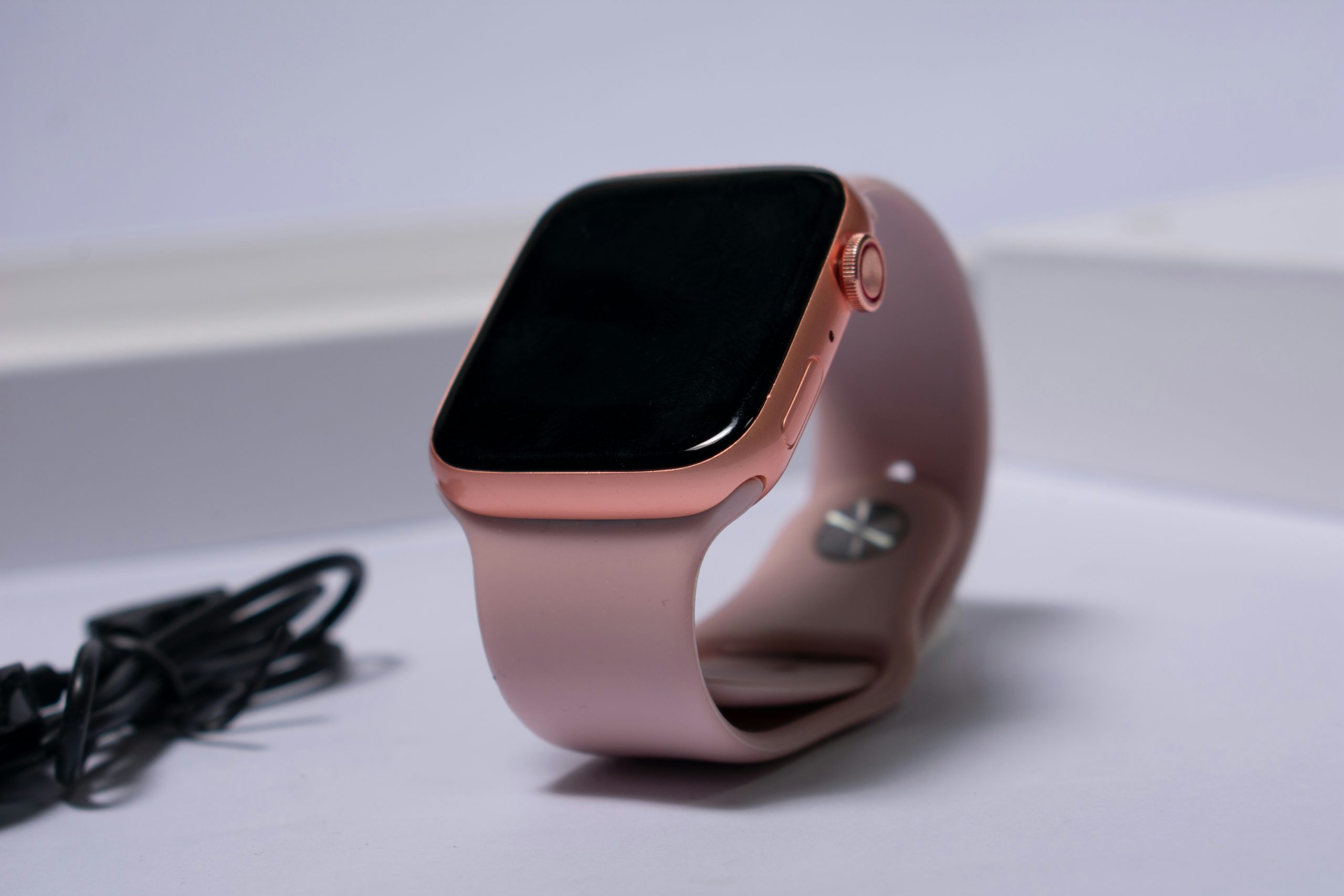
Today’s AI-powered wearables are shifting healthcare toward something very different: prevention.
Instead of waiting for symptoms, these devices continuously monitor your body’s signals, looking for patterns that may indicate stress, illness, or recovery.
How Does Predictive Health Actually Work?
Your body is constantly sending signals, even when you don’t notice them.
Modern smartwatches and smart rings collect information such as:
* Resting heart rate
* Heart rate variability (HRV)
* Skin temperature
* Blood oxygen levels (SpO₂)
* Sleep quality
* Respiratory rate
* Activity levels
On their own, these numbers do not tell the whole story.
Artificial intelligence analyzes them together over days and weeks, learning what is normal for your body. When several measurements change at once, the system may detect that something is unusual—even before symptoms become obvious.
Think of it like a weather forecast. A single dark cloud does not guarantee rain, but a combination of changing wind, pressure, and humidity can signal that a storm is approaching.
Your body works in much the same way.
The Smart Devices Leading the Way
Several wearable devices are pushing predictive health forward.