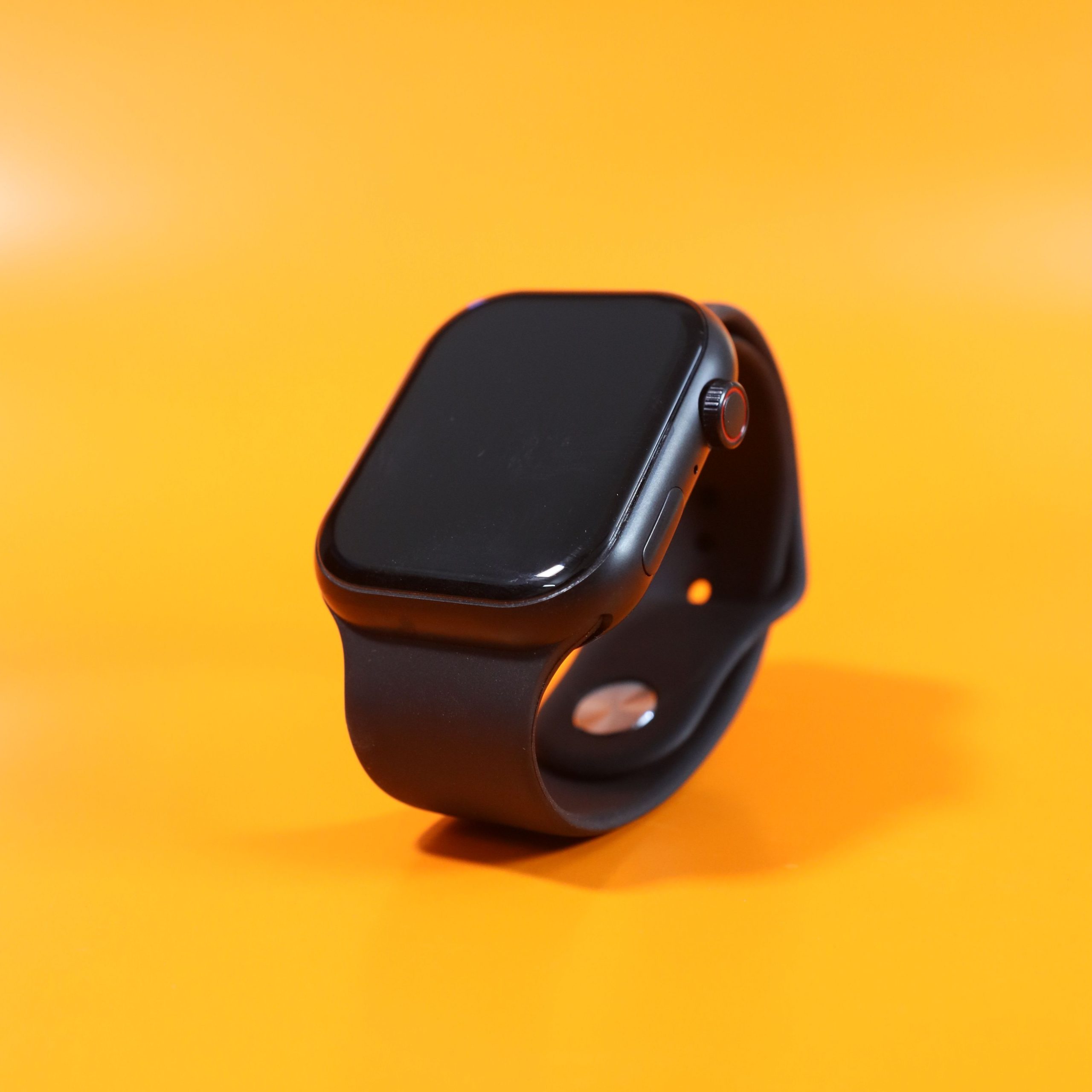
Where AI Wellness Tracking Shines,
Spotting Patterns Humans Miss.
One of the biggest advantages of AI-powered wearables is consistency.
Humans forget details.
Technology does not.
Most people can’t accurately remember how well they slept three weeks ago or how their energy levels compared to last month.
But Wearables track those trends automatically.
What feels like a normal day may actually be part of a larger pattern of decline.
That long-term perspective can be surprisingly valuable.
Early Warnings Instead of Late Reactions:
Traditional stress management often begins after problems become severe.
Wearable technology attempts to provide earlier signals.
Think of it like the warning light on a car dashboard.
The light does not repair the problem.
But it may help you act before the issue becomes more serious.
Similarly, an AI-powered wellness alert is not a medical diagnosis.
It is a prompt to pay attention.
For many people, that reminder alone can be useful-encouraging Better Habits.
Another surprising benefit is accountability.
Many users report becoming more aware of:
* Sleep schedules
* Daily movement
* Recovery time
* Screen habits
* Exercise consistency
Before wearable technology became common, these factors were easy to overlook.
Today, people can see trends and make adjustments based on real data rather than guesswork.
Where The Technology Still Falls Short:
For all their sophistication, smart devices have limitations.
And those limitations matter a lot.
Burnout Is More Than Data;
A watch can measure your heart rate but
It cannot fully understand your life.
It does not know:
* Whether you’re caring for a sick family member,
* Whether you are dealing with financial pressure,
* Whether you are grieving, or
* Whether you’re struggling emotionally.
Two people can display similar biometric readings while experiencing completely different realities.
Human context still matters, perhaps more than ever.
False Alarms Can Happen,
Imagine preparing for an important event;
And you slept less.
Your stress levels increase.
Your heart rate changes.
And your wearable had to interpret those signals as a wellness concern.
But what if you are simply excited?
Technology is improving rapidly, but context remains difficult to measure perfectly.
That means alerts should be viewed as clues, not conclusions.
When Your Smartwatch Knows That You Are Burnout Before You Do/the Privacy Question Few People Ask:
As wearable technology becomes smarter, another conversation is becoming more important-your privacy.
The more helpful a device becomes, the more personal information it often collects.
* Your Sleep habits.
* Heart rhythms.
* Activity patterns.
* Your recovery trends and
* Daily routines.
For many users, the benefits outweigh the concerns.
But Others prefer to limit how much personal data is collected, but there is no universal answer.
But it’s a trade-off every consumer should understand before adopting any health technology.
Should You Trust Your Smartwatch?
The answer is not simply yes or no because it can only be trusted as a tool, not as an authority.
Your smartwatch can reveal pattern;
It can provide useful reminders.
It can encourage healthier habits.
It can even identify trends that deserve attention.
But it cannot replace your judgment.
It cannot replace professional medical advice.
And it cannot fully understand the complexity of being human.
The smartest approach is to treat wearable insights as one source of information among many and that is to
* Listen to the data, But also listen to yourself.
I’m all, the point is that;
A decade ago, the idea that a watch could warn you about stress sounded like science fiction.
But today, it’s becoming normal.
What is remarkable is not that technology can monitor our bodies.
What’s remarkable is that it can sometimes notice subtle changes before we consciously recognize them ourselves.
Still, that does not mean AI understands us better than we understand ourselves.
But it does suggest something interesting about the future.
The next generation of health technology may not be focused on telling us what to do.
Instead, it may be focused on helping us notice what we have been too busy to see.
And in a world that constantly demands our attention, that might be one of the most valuable features of all.
What about the Smart Rings? Would you be interested in knowing too about the Smart Rings?
Click down here for your smart ring 💍:
https://crestlinedaily.com/2026/06/22/ethics-of-predic…ck-before-you-do/