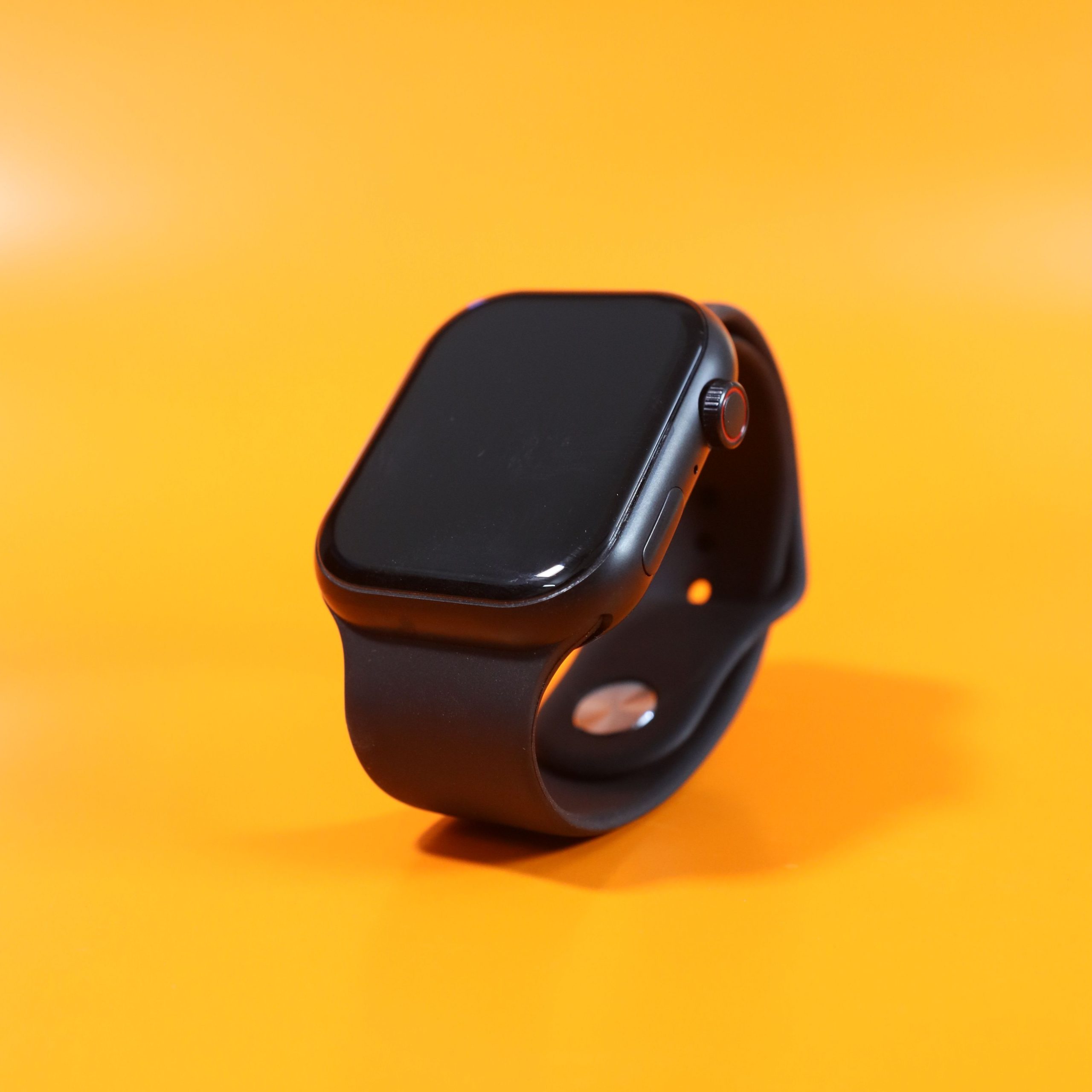
When Your Watch Knows You’re BurnedOut Before You Do
It started with a notification.
Not a text message.
Not an email.
Not even a calendar reminder.
It was a health alert from a smartwatch.
The message suggested that my stress levels had been unusually high for several days and recommended more rest and recovery.
My first reaction was skepticism.
How could a watch possibly know how I was feeling?
After all, burnout is not just about a racing heart or poor sleep. It is a deeply human experience involving emotions, mental fatigue, motivation, and lifestyle factors.
Yet the alert made me curious.
As it turned out, the watch wasn’t completely wrong.
Like many professionals, I had been sleeping less, spending longer hours in front of screens, skipping exercise, and carrying more mental load than usual.
The device had noticed patterns that I had ignored.
And that raises an important question:
Can modern wearable technology really detect burnout before we do?
The answer is more complicated and more fascinating—than you might expect.
How We Used to Monitor Stress:
Not long ago, monitoring stress was largely reactive.
Most people waited until symptoms became obvious.
You felt exhausted.
You struggled to focus.
You became irritable.
You lost motivation.
Only then would you consider slowing down or making changes.
Doctors, therapists, and wellness professionals often relied on conversations, questionnaires, and self-reporting to understand how someone was coping.
While these methods remain valuable, they depend heavily on self-awareness.
And here’s the problem:
Many busy people are surprisingly bad at recognizing burnout while it’s happening.
Instead, We adapt.
We push through.
We tell ourselves we will rest later.
Sometimes “later” never comes.
That’s where wearable technology is attempting to change the equation.
What Today’s Devices Actually Measure
Modern smartwatches and fitness trackers do not measure burnout directly.
Instead, they monitor signals that may indicate physical and mental strain.
These can include:
* Heart rate
* Heart rate variability (HRV)
* Sleep quality
* Activity levels
* Recovery patterns
* Respiratory rate
* Stress indicators
Artificial intelligence analyzes these data points over time.
Rather than looking at a single bad night’s sleep, the system searches for patterns.
* A week of poor recovery.
* Several days of elevated stress markers.
* Declining activity levels.
* Reduced sleep consistency.
When multiple signals point in the same direction, the device may flag potential concerns.
The goal is not diagnosis.
The goal is awareness.