THE FUTURE OF SOCIAL INTERACTION IN AN AI-POWERED AGE
Not long ago, social interaction meant face-to-face conversations,
handwritten letters, and occasional phone calls.
Today, a message can travel across continents in seconds, friendships are formed online, and artificial intelligence is beginning to shape how we communicate in ways that would have seemed unimaginable just a decade ago.
As someone who has witnessed the rapid evolution of digital communication, I often find myself wondering:
what will social interaction look like when AI becomes even more integrated into our daily lives?
The answer is both exciting and complex.
We are entering an era where artificial intelligence is not simply a tool we use but it is becoming an active participant in how we connect, communicate, and build relationships.
A World More Connected Than Ever:
One of the most significant impacts of AI is its ability to remove barriers that once limited human interaction.
Language differences, geographical distance, and time constraints are becoming less relevant.
AI-powered translation tools now allow people from different cultures to communicate almost effortlessly.
Conversations that once required interpreters can happen instantly, opening doors to friendships, collaborations, and business opportunities around the globe.
In many ways, AI is helping create a truly borderless world where meaningful connections are no longer restricted by location.
For individuals, this means access to broader social circles and diverse perspectives.
For society, it means greater opportunities for global understanding and cooperation.
THE RISE OF INTELLIGENT Digital Companions
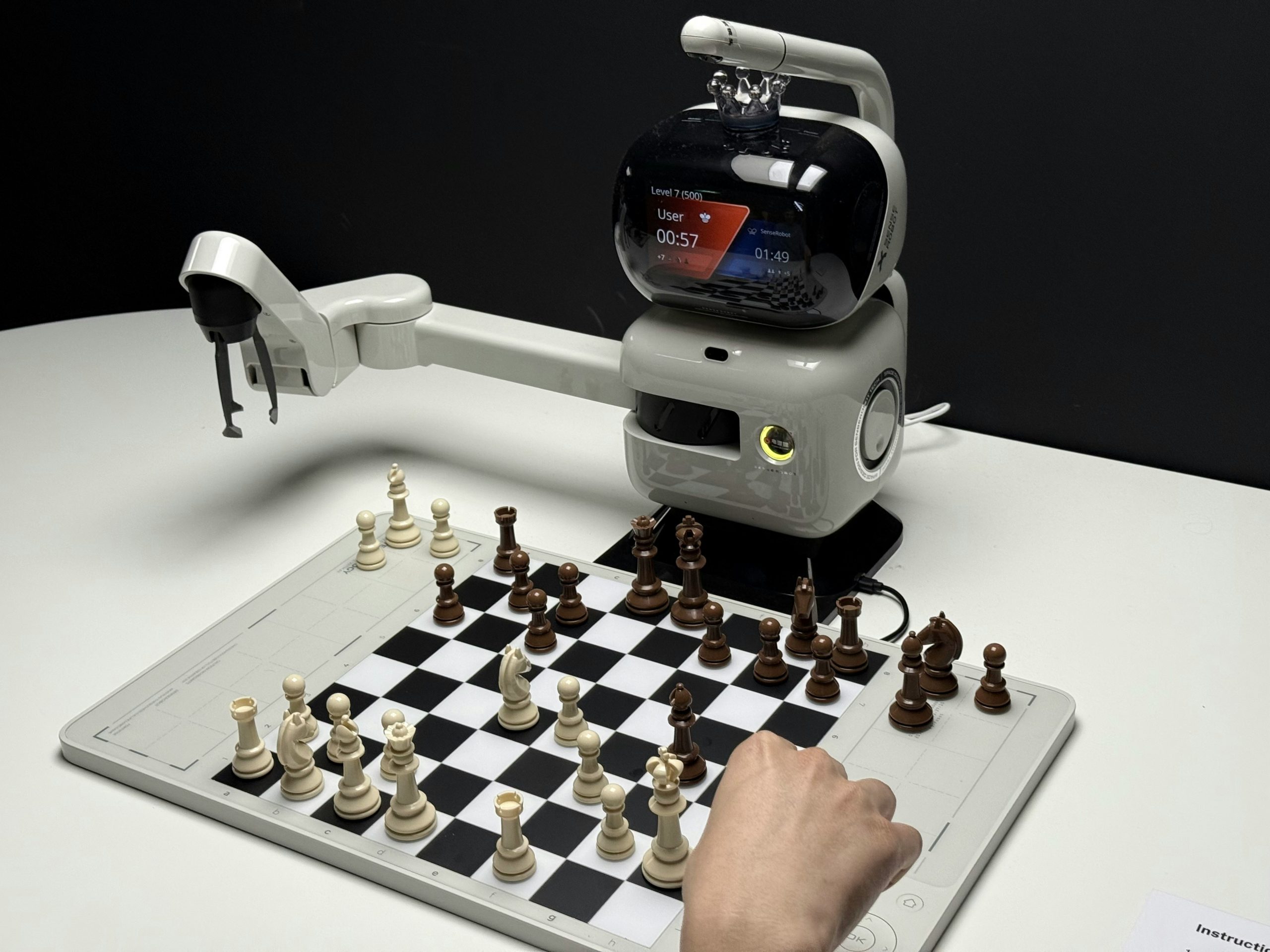
Perhaps one of the most fascinating developments in recent years is the emergence of AI companions.
These systems are becoming increasingly sophisticated, capable of holding conversations, offering emotional support, and even learning from user preferences over time.
While they cannot replace genuine human relationships, they are beginning to fill certain social gaps.
For people experiencing loneliness, isolation, or limited access to social networks, AI companions can provide comfort and interaction when human connection is unavailable.
This trend raises important questions about the future of companionship.
Will people become more reliant on AI for emotional support?
Or will these technologies simply complement human relationships rather than replace them?